

Biodiversity Conservation

A Call to Action for a Sustainable Future

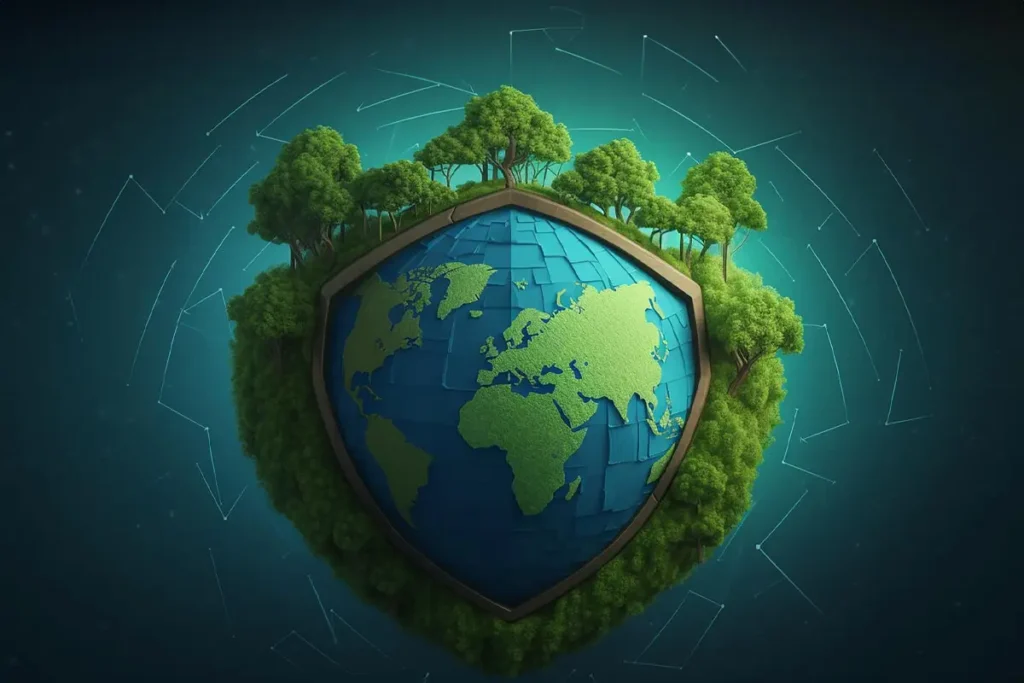
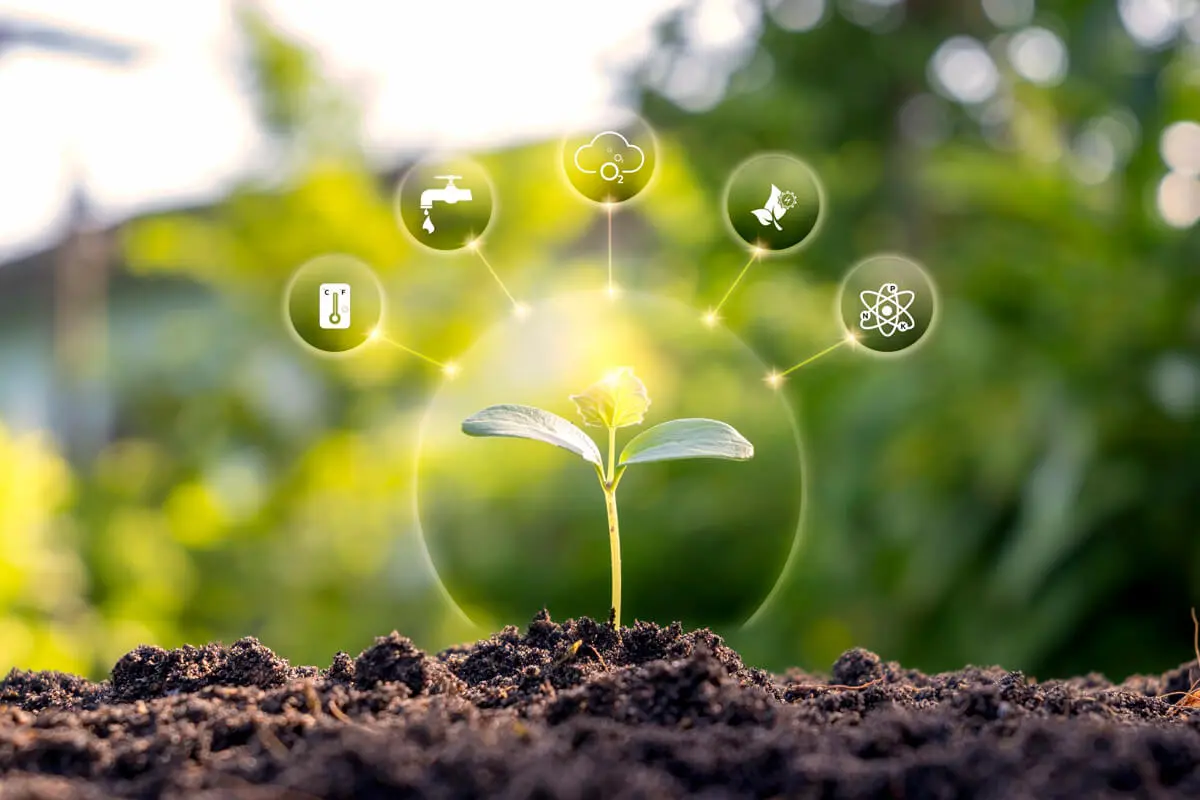
Biodiversity—the variety of life encompassing genes, species, and ecosystems—is fundamental to the health of our planet. It underpins ecosystem services essential for human survival, including food provision, water purification, and climate regulation. However, biodiversity is declining at an alarming rate, posing significant risks to both nature and human societies.

The Importance of Biodiversity Conservation

Biodiversity ensures ecosystem resilience, enabling environments to recover from disturbances such as natural disasters and human activities. Key benefits of biodiversity include.

Food Security

Diverse species provide a variety of crops and livestock, ensuring nutritional needs are met.

Health Benefits

Many medicines are derived from plant and animal sources found in biodiverse ecosystems.

Economic Resources

Biodiversity-rich ecosystems support industries like agriculture, fisheries, and tourism.
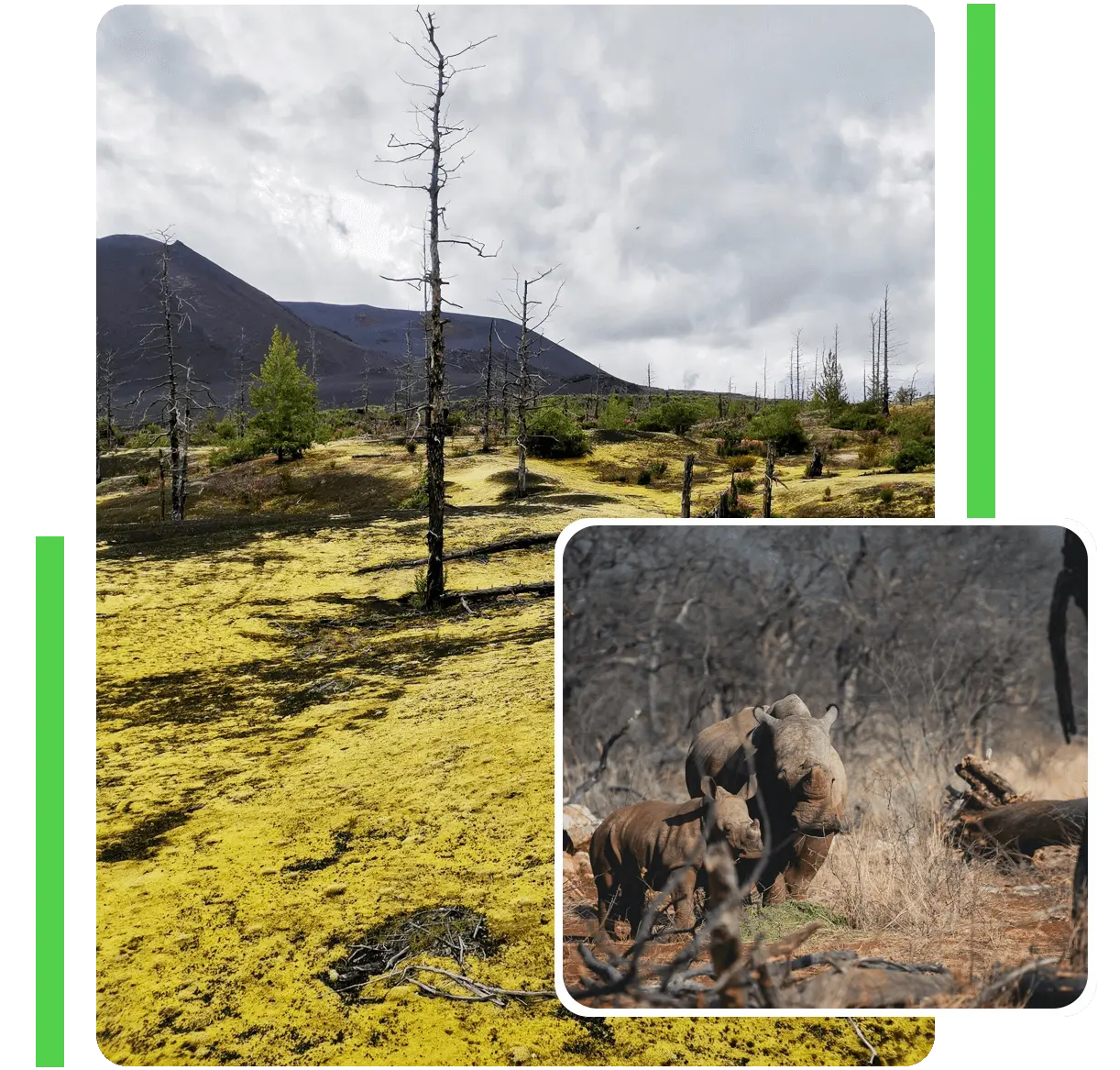
Consequences of Neglecting Biodiversity

Failing to conserve biodiversity leads to ecosystem degradation, resulting in

Ecosystem Service Loss: Declines in pollinators can reduce crop yields, affecting food supply.

Increased Natural Disasters: Degraded ecosystems are less capable of mitigating floods and storms.

Economic Decline: Loss of biodiversity can lead to reduced resources for industries, impacting livelihoods.

The Intergovernmental Science-Policy Platform on Biodiversity and Ecosystem Services (IPBES) reports that approximately 1 million species face extinction due to human activities. (AP News)

Mitigation Measures to Combat Biodiversity Loss

To address biodiversity loss, several strategies are being implemented globally

Protected Areas

Establishing reserves to safeguard critical habitats. The Kunming-Montreal Global Biodiversity Framework aims to protect 30% of Earth’s lands and oceans by 2030. (Convention on Biological Diversity)

Sustainable Practices

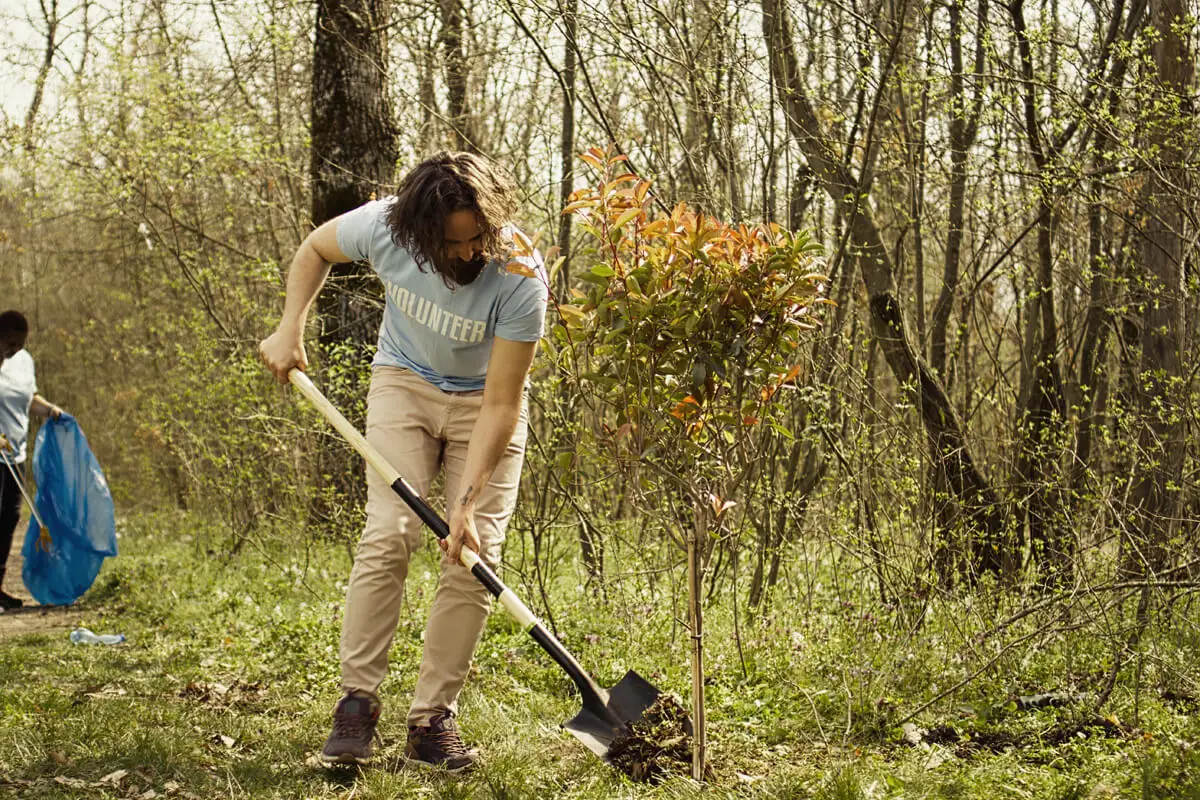
Promoting agriculture and forestry methods that minimize environmental impact.

Restoration Initiatives

Rehabilitating degraded ecosystems to restore their functions. The Restoration Initiative (TRI) leads efforts globally. (IUCN)

Policy Integration

Incorporating biodiversity considerations into economic and development planning.
Protected Areas
Establishing reserves to safeguard critical habitats. The Kunming-Montreal Global Biodiversity Framework aims to protect 30% of Earth's lands and oceans by 2030.
Sustainable Practices

Promoting agriculture and forestry methods that minimize environmental impact.

Restoration Initiatives

Rehabilitating degraded ecosystems to restore their functions. The Restoration Initiative (TRI) leads efforts globally. (IUCN)

Policy Integration

Incorporating biodiversity considerations into economic and development planning.

A study by the International Union for Conservation of Nature (IUCN) underscores the effectiveness of conservation actions in halting and reversing biodiversity loss. (IUCN Press Release) ​

Key Facts and Figures

Species at Risk

Over 44,000 species are documented as at risk of extinction. (IUCN)

Economic Impact

Ecosystem services directly support more than 1 billion people living in extreme poverty. (Oxford Academic)

Protected Areas Coverage

Approximately 17% of land and 10% of oceans are currently protected, with goals to increase these figures.

How Trius Global Can Help

As the world intensifies efforts to halt biodiversity loss, Trius Global is committed to assisting organizations in achieving their conservation objectives.

Strategic Planning

Developing tailored conservation strategies aligned with global frameworks.

Sustainable Solutions

Implementing practices that promote biodiversity while supporting economic goals.

Monitoring and Evaluation

Assessing the effectiveness of conservation initiatives to ensure desired outcomes.

Partner With Us

Trius Global is your trusted partner in biodiversity conservation. Together, we can contribute to a sustainable future where biodiversity thrives, ensuring the well-being of both nature and humanity.